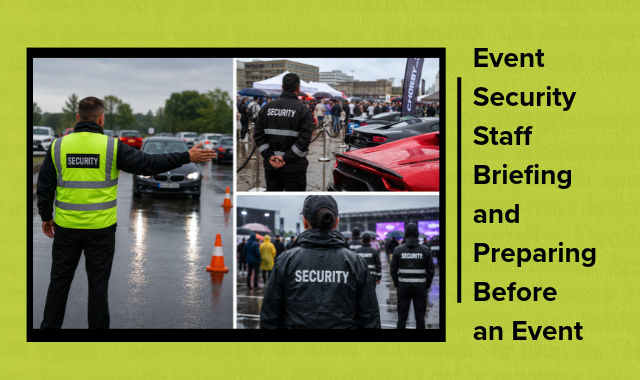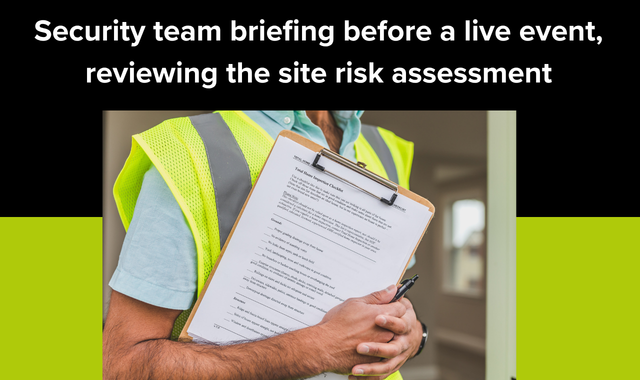
Successful event security begins long before visitors arrive. From checking access points and briefing security…
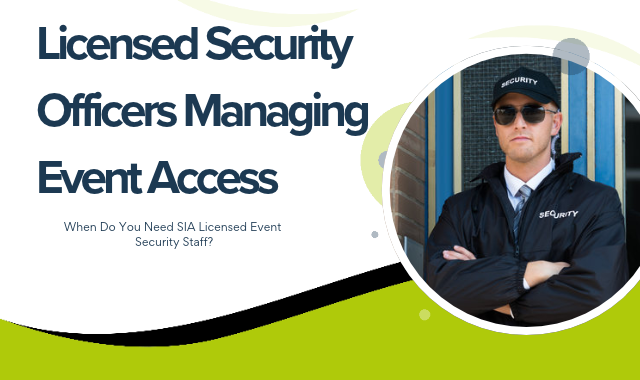
When Do You Need SIA Licensed Event Security Staff?
Preview: Not every event requires SIA-licensed security staff, but knowing when they are needed is an important part of event planning. From managing entrances and protecting property to welcoming visitors and checking tickets, the responsibilities you assign to staff can determine whether a security licence is legally required.
Understanding SIA Licensing at Events
When organising an event, you may need to decide whether to hire licensed security officers or general event staff. Both provide valuable support, but their duties differ in important ways.
The Security Industry Authority (SIA) regulates the private security industry in the UK, helping ensure that individuals carrying out regulated security activities meet the appropriate training and suitability requirements.
One common misconception is that licensing requirements are determined by the size of an event. In reality, a small private function may require licensed security officers, while a much larger community event could have numerous positions suitable for general event stewards.
What matters is the nature of the work, the circumstances in which it takes place and any applicable licensing conditions.
When SIA Licensed Security Staff Are Required
If you are hiring staff through an external agency to protect premises or property, prevent unauthorised entry or guard against disorderly behaviour, these responsibilities will generally require an appropriate SIA licence.
Consider an exhibition where valuable equipment remains on stands overnight. Staff employed specifically to protect that equipment against theft or damage would be undertaking security guarding duties.
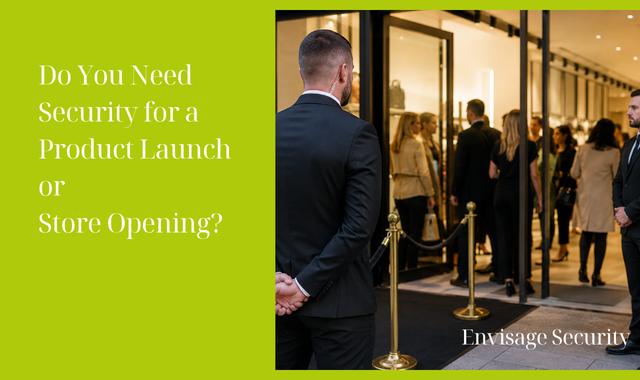
Similarly, at a corporate product launch, officers responsible for preventing unauthorised individuals from entering restricted areas would be performing a security function rather than simply welcoming guests.
Identifying these responsibilities during the planning stages helps ensure that appropriately licensed staff are booked.
The Difference Between Security Guards and Door Supervisors
Not all SIA licences cover the same activities, which is an important consideration when booking security staff.
A security guarding licence generally covers contracted guarding duties at commercial premises, exhibition halls and event sites where door supervision licensing requirements do not apply.
Door supervision licensing applies to guarding duties at licensed premises when the relevant statutory conditions are met, including periods when premises are open to the public and alcohol or regulated entertainment is being provided.
A door supervision licence also permits the holder to undertake standard security guarding duties, but a security guarding licence alone does not cover activities requiring a door supervision licence.
Understanding this distinction is particularly relevant when organising festivals, Christmas parties and evening entertainment.
When General Event Staff Are Suitable
Many responsibilities at an event can be carried out by experienced event staff, marshals or stewards without an SIA licence. These include welcoming visitors, providing directions, scanning tickets and helping guests locate facilities.
However, the distinction can become less obvious when staff are positioned at an entrance. Someone checking tickets is performing a different function from someone responsible for guarding against unauthorised access or disorderly behaviour.
For example, a registration assistant at a conference can identify that a visitor does not have the correct accreditation and refer the matter to the appropriate person. They should not be expected to undertake regulated security duties simply because they are working near the entrance.
Clearly defining these responsibilities helps prevent confusion on the day.
Security Requirements at Events Serving Alcohol
Serving alcohol does not automatically mean that an event must employ door supervisors, but it is an important consideration when planning your staffing arrangements.
Organisers should review the venue’s premises licence, any temporary licensing permissions and the conditions that apply to their event.
A hotel hosting a Christmas party may already have established security arrangements, while an organiser operating a temporary outdoor bar could have specific licensing conditions to comply with.
It is worth discussing these requirements with the venue management team or relevant licensing authority before confirming your staffing arrangements, particularly if you are using an unfamiliar venue.
Private Events, Corporate Functions and Exhibitions
There is sometimes an assumption that private or invitation-only events are exempt from security licensing requirements. However, restricting attendance to invited guests does not automatically remove the need for appropriately licensed security staff.
A private wedding may require contracted security officers to protect equipment, while a corporate function may need officers to prevent unauthorised access or safeguard valuable displays.
Exhibitions are another good example because they often require a combination of staffing roles. Registration teams welcome delegates, stewards provide directions and licensed security officers undertake the security responsibilities assigned to them.
Each role contributes to the smooth running of the event, but their duties should remain clearly defined.
Checking SIA Licences Before Your Event
When hiring professional security staff, it is worth understanding how your staffing provider verifies individual SIA licences.
A licence must be current and appropriate for the work the individual has been booked to undertake. The SIA provides a publicly accessible register where licence details can be checked.
Organisers should also ensure their staffing brief accurately describes the responsibilities required, particularly if duties are expected to change throughout the event. A member of staff booked to provide general visitor assistance should not subsequently be asked to undertake regulated security work without the appropriate licence.
Booking the Right Staff for Your Event
Before contacting an event staffing provider, review the responsibilities you need covered rather than relying solely on job titles. Consider your event risk assessment, venue conditions, access arrangements and any applicable licensing requirements.
At Envisage, we supply SIA-licensed security officers alongside general event staff, marshals and stewards, allowing organisers to book the personnel required for their established event plans.
Understanding the distinction between these roles helps you make informed booking decisions and ensures staff are not placed in positions they are neither licensed nor trained to undertake.
For further information, the Security Industry Authority provides official guidance on licensing requirements for staff working at events.
Related Posts