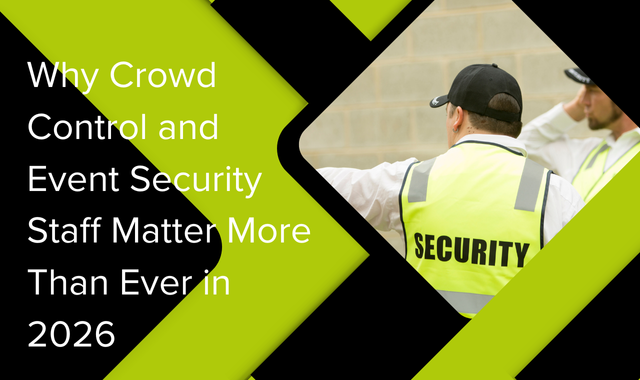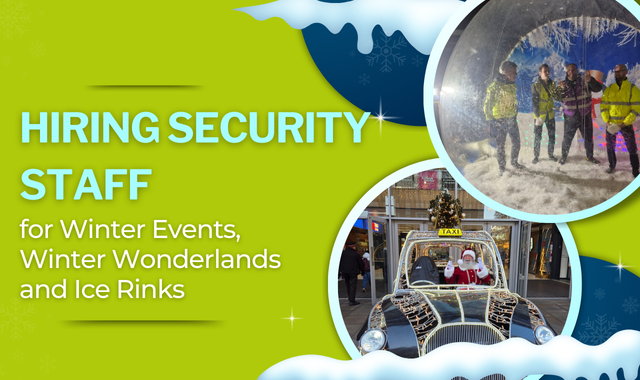
Why Crowd Control Is More Important Than Ever in 2026 Crowd control has always been…
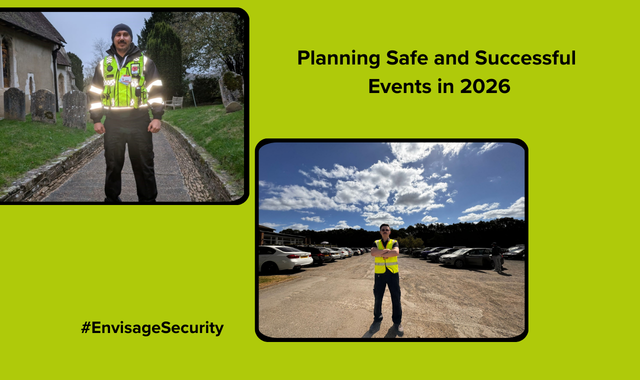
Easter Events and Public Safety Planning in 2026
Easter Events and Public Safety Planning in 2026
Easter is one of the busiest seasonal periods in the UK calendar. It brings together family days out, town centre events, Easter egg hunts, spring fairs, food markets, church gatherings and charity activities, often across a long bank holiday weekend. In 2026, Easter Sunday falls on 5 April, with Good Friday on 3 April and Easter Monday on 6 April, creating a valuable four-day window for public events, promotions and community celebrations.
For organisers, that is a real opportunity. It is also a real responsibility.
Larger crowds, family audiences, temporary attractions and busy public spaces all bring safety considerations that need to be handled carefully. Easter events often feel cheerful and relaxed, but that does not mean they are low-risk. In fact, because they are family-friendly and often take place in parks, high streets, shopping centres and open spaces, they need thoughtful planning and a calm, visible approach to public safety.
That is where proper public safety planning and the support of professional security staff become so important.
Why Easter Events Need Careful Public Safety Planning
Easter events often look straightforward on the surface. A trail around a town centre, a pop-up petting zoo, a spring market, a church fair or a children’s activity day may not sound high-risk in the same way as a music festival or a fireworks display. But in practice, Easter events can present a range of challenges.
These often include:
- high footfall in family-oriented spaces
- unpredictable crowd movement
- prams, young children and older visitors sharing limited space
- temporary stalls and structures
- food queues and entry bottlenecks
- car parking and pedestrian crossing points
- weather-related hazards in outdoor settings
In the UK, event organisers are expected to plan, manage and review events safely, with attention to crowd management, site design and welfare. The Health and Safety Executive also points organisers towards recognised guidance and Safety Advisory Group support where needed.
The Public Safety Risks at Easter Events in 2026
Crowd control at family events
Family events can be some of the trickiest to manage well. Children move unpredictably, parents stop suddenly, and busy attractions can become crowded very quickly. An Easter trail or egg hunt may sound gentle, but if hundreds of people arrive in a short time window, pinch points can form around registration desks, photo spots, activity tents and refreshment areas.
Professional event security staff help keep movement steady, reduce congestion and guide people calmly from one area to another.
Seasonal shopping and town centre footfall
Easter often overlaps with a surge in shopping, dining and leisure activity. High streets, retail parks and town centres can all become busier over the bank holiday weekend. If an Easter event is added into that environment, the pressure on entrances, walkways and nearby roads can increase significantly.
Good public safety planning looks beyond the event fence line. It considers how visitors arrive, where they queue, how they leave and how surrounding spaces are affected.
Temporary attractions and pop-up features
Easter events often include temporary infrastructure such as marquees, inflatables, stages, market stalls, fencing and children’s activity zones. These features can change crowd behaviour and create new hazards if they are not managed properly.
Security staff can help monitor access points, keep restricted areas secure and support site teams if issues arise.
Why Hiring Professional Security Staff Helps
Hiring professional security is not about making a family event feel intimidating. Done properly, it does the opposite. A well-briefed, approachable security team brings calm, structure and reassurance.
Visible reassurance for the public
At Easter events, people want to feel relaxed. Parents want to know there is help nearby if a child gets separated. Visitors want to know that queues are being managed fairly. Stallholders want confidence that someone is watching over the site before, during and after trading hours.
A professional security presence sends the message that the event is organised and safety is being taken seriously.
Support for organisers under pressure
Event organisers are often juggling suppliers, schedules, volunteers, performers, weather changes and public questions all at once. When that pressure builds, it helps enormously to have trained staff focused on crowd control, access management and incident response.
Professional security teams can support with:
- entry and exit monitoring
- queue management
- lost child procedures
- perimeter checks
- access control for staff-only or restricted areas
- conflict de-escalation
- liaison with emergency services if required
- Better incident prevention
Many issues at public events are avoidable if spotted early. An overcrowded activity tent, a blocked walkway, a queue spilling into a roadway or a minor disagreement near a food stall can often be resolved before it turns into something more serious.
That early intervention is one of the biggest benefits of hiring experienced security staff.
Key Areas to Consider in Easter Event Safety Planning
Crowd Management for Easter Events
Crowd control should always be part of the plan, even for smaller community events. Think about where people are likely to gather and when. Will there be timed activities? Is there one main attraction everyone will head towards first? Are there likely to be queues for food, toilets or children’s entertainment?
Managing queues and waiting areas
Queues are a normal part of seasonal events, but poorly managed queues create stress very quickly. Clear signage, sensible layout and visible staff all help. Security staff can support queue flow, prevent crowding and keep emergency access routes clear.
Planning for peak times
Easter events often have clear rush periods, especially mid-morning and early afternoon. Build your staffing plan around the busiest times, not just the total duration of the event.
Safeguarding Children and Vulnerable Visitors
Because Easter events often appeal to families, safeguarding should be central to your planning. Lost children are one of the most common concerns at public seasonal events.
Make sure you have:
a clear lost child procedure
a designated welfare or meeting point
staff who know how to report concerns quickly
a communication plan for incidents
Professional security staff can play an important role here, especially if they are briefed properly and positioned in busy zones.
Weather and Ground Conditions
Spring weather in the UK can be lovely, but it can also turn quickly. Rain, muddy ground, cold winds or slippery surfaces can affect safety and crowd movement. Outdoor Easter events should include contingency planning for bad weather, shelter arrangements and ways to keep walkways safe.
Access, Traffic and Parking
Traffic management is often overlooked at smaller public events. Yet car parks, drop-off points and pedestrian crossings can be some of the highest-risk areas on site. Think carefully about how vehicles and foot traffic interact, especially where families and children are involved.
Fun Easter Facts to Add Seasonal Interest
A blog about Easter should not feel all risk and regulation. A little seasonal charm goes a long way.
Easter fact 1
In 2026, Easter Sunday falls on 5 April, which is fairly late compared with some years, giving organisers a useful spring window for outdoor events.
Easter fact 2
The date of Easter changes every year because it is calculated using the lunar calendar rather than a fixed date in the Gregorian calendar. The Church of England lists Easter Day in 2026 as 5 April.
Easter fact 3
For many organisers, Easter is one of the first major event weekends of the outdoor season. It often sets the tone for spring and summer programming, making strong planning even more important.
Public Safety Planning Is Good for Reputation Too
A safe event is not only about compliance. It is also about confidence.
When an Easter event runs smoothly, visitors notice. They remember the relaxed atmosphere, the clear organisation and the sense that everything felt under control. Traders are more likely to return. Families are more likely to recommend it. Local authorities and venues are more likely to feel confident about future events.
Poor safety planning, on the other hand, can damage trust very quickly.
Easter Events and Public Safety Planning
Easter events should feel bright, welcoming and full of spring energy. That is exactly why strong safety planning matters. When the public feels safe, they enjoy the day more. When organisers have the right support in place, they can focus on creating a memorable event rather than constantly firefighting problems.
In 2026, with Easter falling across the long weekend of 3 to 6 April, there will be plenty of opportunities for community events, public celebrations and seasonal promotions across the UK. But busy events need more than a good idea and a few gazebos. They need structure, foresight and the right people on site.
Hiring professional security staff can make a significant difference to crowd control, safeguarding, site security and public reassurance. For Easter events of all sizes, it is a sensible and professional part of planning well.
For Envisage Security Staff, that is exactly where experience adds value — helping organisers create seasonal events that feel safe, smooth and enjoyable for everyone attending.
Related Posts