Do You Need Security for a Product Launch or Store Opening? Preview: Product launches and store…
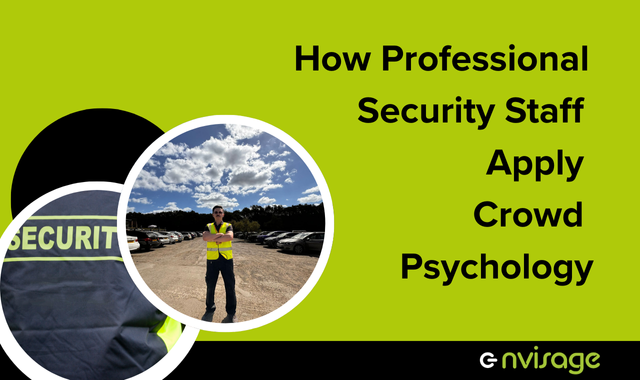
The Psychology of Crowd Management: What Security Professionals Know
The Psychology of Crowd Management: What Security Professionals Know
When thousands of people come together—whether for a festival, football match, concert, or corporate gathering—the energy can be electrifying. But it can also be unpredictable. Understanding how and why crowds behave the way they do is essential to maintaining safety.
This is where the psychology of crowd management comes in. Security professionals are trained to anticipate crowd behaviours, identify early warning signs, and apply strategies to keep people safe without dampening the atmosphere.
In this blog, we’ll explore the psychology of crowds, why it matters to event organisers, and how professional security staff apply this knowledge in real-world situations.
Why Understanding Crowd Psychology Matters
A crowd is more than just a collection of individuals. When people gather in large numbers, they often behave differently than they would alone. Psychological factors—such as social influence, group identity, and emotional contagion—play a powerful role in shaping behaviour.
For event planners, this means that even small lapses in crowd control can escalate quickly. A minor delay at an entrance can turn into frustration. Frustration can turn into pushing. Pushing can turn into a dangerous surge.
Professional security staff know how to recognise these patterns early and intervene before they become serious issues.
The Psychology Behind Crowd Behaviour
1. Emotional Contagion
Emotions spread through crowds like wildfire. Excitement, fear, or anger can ripple from one person to hundreds within moments. This is why incidents at large events can escalate so quickly.
2. Deindividuation
In crowds, individuals sometimes feel a reduced sense of personal responsibility. People may behave in ways they wouldn’t normally—whether that’s pushing through barriers, ignoring rules, or joining in disruptive behaviour.
3. Social Influence
People look to those around them for cues on how to behave. If a group starts chanting, running, or protesting, others may quickly follow—even if they don’t fully understand why.
4. Perceived Scarcity or Urgency
If guests believe there are limited resources—like seats, drinks, or access to a performance—they may rush or crowd together, increasing the risk of crushes or conflict.
Security professionals understand these psychological triggers and design crowd management strategies that reduce risks and maintain a safe, positive environment.
What Security Professionals Know About Managing Crowds
Positioning is Key
Where security staff are placed influences how people move. By positioning staff at entrances, bottlenecks, and gathering points, professionals can manage flow and prevent pressure from building up.
Visibility Matters
The presence of uniformed staff can act as a deterrent for rule-breaking while providing reassurance to attendees. People feel safer when they know trained staff are nearby.
Communication is Everything
Security teams use clear, calm, and consistent communication to influence crowd behaviour. Whether through PA systems, signage, or direct interaction, instructions must be firm but reassuring.
Early Intervention Prevents Escalation
Trained professionals spot small issues—such as minor pushing, groups forming in unsafe areas, or rising tension—and address them quickly. Early action often prevents larger problems from occurring.
Flexibility is Essential
No two crowds behave the same. Security staff adapt their approach depending on the type of event, demographics of the audience, and external factors such as weather or alcohol consumption.
How Professional Security Staff Apply Crowd Psychology
Event Risk Assessments
Before an event begins, professional teams assess potential risks:
Venue layout and choke points
Size and demographics of the expected crowd
Potential external threats (e.g. protests or unauthorised access)
Evacuation routes and safety zones
Controlled Access Points
By monitoring and limiting entry to manageable levels, security ensures guests arrive in an orderly manner. Ticket checks, bag searches, and controlled queuing systems reduce bottlenecks.
Flow Management
Security staff guide movement with barriers, signage, and verbal instructions. They ensure people don’t linger in high-risk areas and keep pathways clear for emergency access.
Conflict De-Escalation
When tensions rise, trained professionals use calm body language, clear instructions, and proven conflict-management techniques to defuse situations without aggression.
Emergency Response
If a serious incident does occur, professionals follow rehearsed protocols—evacuating areas, directing guests, and coordinating with emergency services swiftly and effectively.
Mistakes Event Organisers Make with Crowd Management
Even experienced organisers sometimes underestimate the psychological dynamics of large groups. Common mistakes include:
Understaffing security – assuming a few guards will be enough for hundreds of people.
Neglecting communication – failing to provide clear directions to guests, leading to confusion.
Ignoring flow planning – not thinking about how people move between entrances, stages, bars, or exits.
Overlooking emergency planning – lacking a clear evacuation strategy.
Each of these mistakes can be avoided by hiring trained professionals who understand the psychology of crowd management and how to apply it practically.
Why Hiring Professional Security Staff Is Essential
Event safety is not something organisers can afford to gamble on. Hiring professional, licensed security staff ensures:
Expertise in crowd psychology – staff anticipate behaviours before they escalate.
Peace of mind – organisers can focus on running the event, knowing safety is in expert hands.
Compliance with regulations – many councils require evidence of crowd control planning.
Improved guest experience – attendees feel safer and more relaxed, which boosts the overall atmosphere.
At Envisage Security, our teams are fully SIA-licensed, trained in crowd dynamics, and experienced across a wide range of events—from festivals and concerts to private functions and corporate gatherings.
The Importance of Understanding Crowd Psychology for Event Safety
The success of any event depends not only on the entertainment or logistics but on how safe people feel while they’re there. The psychology of crowd management is central to this. Understanding how groups behave, and having the right staff in place to manage them, ensures an event that is both safe and enjoyable.
By hiring professional security staff who are trained in the psychology of crowd control, organisers can prevent problems, protect guests, and deliver events that people remember for all the right reasons.
Related Posts